
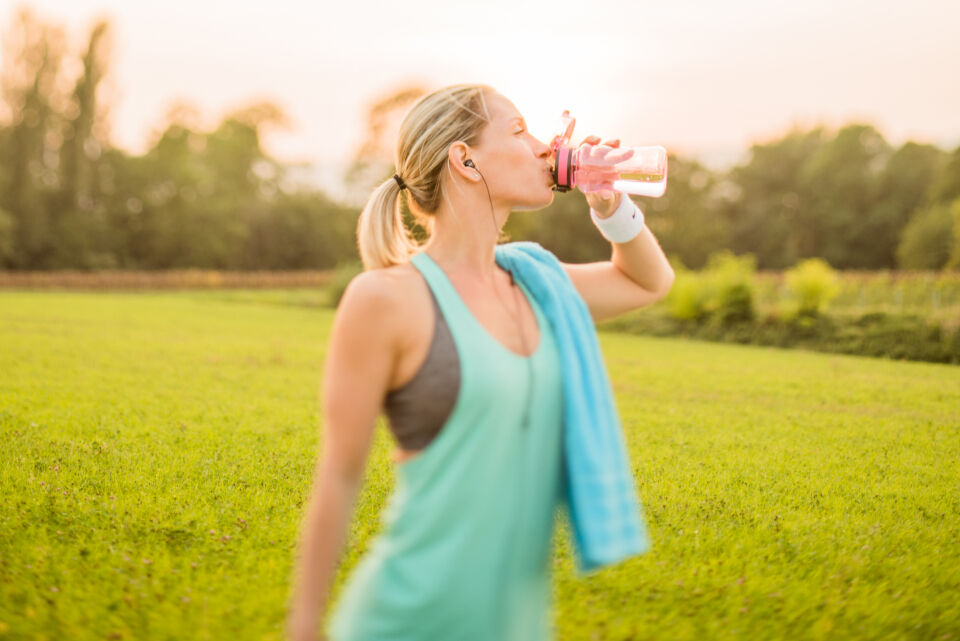
Exercising Safely in Hot Weather and Staying Hydrated
Summer in Australia is a great time to get outside and move. It also brings real risks for anyone who walks, runs, cycles or plays sport in the heat. A little planning goes a long way.
This guide covers hydration, timing, clothing and the warning signs of heat illness. It is general information drawn from Australian health and sports medicine sources. Your own health and fitness will shape what is safe for you.
Why heat deserves respect
The Better Health Channel, a Victorian Government health site, puts it bluntly. It says heat kills more Australians than any other natural disaster. Heat can also trigger a heart attack or stroke and make existing conditions worse.
People who work or exercise outdoors are named as a higher risk group. Others at higher risk include people over 65, babies and young children and pregnant women. People with heart disease, kidney disease, diabetes or mental illness are also listed. So are people taking diuretics or certain other medicines.
Sports Medicine Australia adds that temperature is only part of the picture. Activity intensity, duration, clothing, humidity and airflow all play a role. Heat illness can even happen at moderate temperatures, especially during hard exercise in enclosed or poorly ventilated spaces.
Drinking enough before, during and after
Hydration starts well before you lace up your shoes. Sports Medicine Australia says that starting an event dehydrated increases the risk of heat illness. Drink enough fluid in the days leading up to an event.
During activity, keep water close by. Afterwards, make rehydration a priority. Better Health Channel advises that you keep drinking water even before you feel thirsty, especially outdoors and during physical activity. Carry a water bottle whenever you leave home.
Your body gives clues when fluid runs low. Dark, strong smelling urine or passing less urine than usual can be signs of dehydration. Thirst, a dry mouth, dizziness, headache, tiredness and trouble thinking clearly are others.
Water alone will not keep you safe, though. Sports Medicine Australia says hydration should be combined with other steps such as rest, shade and cooling. The sections below cover those.
Picking the right time and place
Better Health Channel suggests doing your activities in the coolest part of the day. It also advises avoiding exercise and time outdoors in extreme heat. For many people that means an early morning or evening session in summer.
Check the forecast before you head out. The Bureau of Meteorology publishes a heatwave forecast, and you can follow weather warnings on television or radio. You can also subscribe to heat health warnings from your state health department.
For sport, Sports Medicine Australia has a Sports Heat Tool. It shows heat stress risk at your location in real time, with a rating, recommended actions and cooling tips. Its guidelines cover more than 30 sports and set out actions for low, moderate, high and extreme risk. You can find them on the Sports Medicine Australia hot weather guidelines page.
Clothing, shade and staying cool
Dress for the conditions. Better Health Channel recommends light and loose clothing. Sports Medicine Australia suggests lightweight and breathable gear. Add a hat and sunscreen to protect your skin.
Take frequent rest breaks and look for shade. Keeping your skin damp with a spray bottle or wet sponge can help you cool down. A cool shower or time in an air conditioned building helps after a session.
Sports Medicine Australia also says play should be delayed or cancelled if conditions reach extreme risk levels. The same thinking works for solo exercise. If the heat is extreme, the safest plan is to skip the session or move it indoors to a cool space.
Warning signs of heat illness
Heat illness ranges from mild to life threatening. Knowing the signs helps you act early. Better Health Channel describes several stages in its guide to heat related health problems.
- Heat cramps: muscle pain or spasms, usually in the stomach, arms or legs, from losing salt and water through heavy sweating.
- Heat exhaustion: thirst, irritability, weakness, dizziness, headache, nausea, vomiting, heavy sweating and a pale complexion.
- Heatstroke: confusion, slurred speech, unusual walking, seizures, loss of consciousness and very hot, red, dry skin.
For heat cramps, stop and rest somewhere cool or shaded. Better Health Channel suggests resting a few hours before going back to activity. Seek medical care if the symptoms do not settle.
Heat exhaustion can progress to heatstroke, which can be fatal. If you suspect heatstroke, call an ambulance straight away. Sports Medicine Australia says any collapse in hot conditions should be treated as possible heat stroke. Move the person somewhere cool and start cooling them while you wait.
One more tip from Sports Medicine Australia is worth knowing. Forehead and laser thermometers measure skin temperature. They are not reliable for judging heat illness risk.
Looking after yourself all year
Hot afternoons are a good time to stay indoors and read. This post on common psychological myths looks at popular beliefs about the mind, such as power posing and venting anger. Save the walk or run for the cooler part of the day.
Anyone rebuilding their health after a hard period should talk to a doctor before exercising in heat. The post on recovering from meth and safe detox covers that situation. Medical advice comes first.
The same applies after any medical or dental procedure. If you have read about dental implant surgery and have treatment coming up, ask your dentist when hard exercise is safe again. Do not guess.
Families supporting someone through a tough time may look for simple shared activities. This post on helping a family member through drug rehab covers that kind of support. If a walk together is part of the plan, the heat advice above applies to everyone.
Frequently asked questions
How do I know if I am drinking enough water?
Watch for signs of dehydration. These include dark or strong smelling urine, passing less urine than usual, thirst, a dry mouth and dizziness. Better Health Channel advises drinking water before you feel thirsty, especially during outdoor activity.
What time of day is best for exercise in summer?
Better Health Channel suggests the coolest part of the day. For most people that is early morning or evening. Avoid exercising outdoors in extreme heat.
Can heat illness happen on a mild day?
Yes. Sports Medicine Australia says heat illness can occur at moderate temperatures. The risk rises with hard exercise in enclosed or poorly ventilated spaces.
What should I do if someone collapses while exercising in the heat?
Treat it as possible heat stroke and call an ambulance straight away. Move the person to a cool or shaded area and start cooling them. Give water only if they are fully conscious.
This article is general information and not medical advice. It does not replace advice about your own health. Speak with your doctor or another qualified health professional before exercising in hot weather, especially if you have a health condition.